
Construction & Mining
Scale Your Aftermarket Business in Construction & Mining
A growing labor shortage, stricter environmental regulations, and barriers to technology adoption are stifling revenue growth in construction and mining equipment. The aftermarket tells a different story.







The Challenge
New Equipment Is Under Pressure
The industry has faced several challenges over the past half-decade, and all of them weigh on new machinery sales.
01
A Growing Labor Shortage
Skilled labor is harder to find, and that contributes to stifled revenue growth across the construction and mining equipment industry.
02
Stricter Environmental Rules
Increasingly stringent regulations and ESG pressure from investors are accelerating the push toward electric and hybrid equipment.
03
Barriers to Technology Adoption
Autonomy, AI, and connected machines are becoming a necessity, but adoption is hard and new equipment sales remain volatile in most markets.
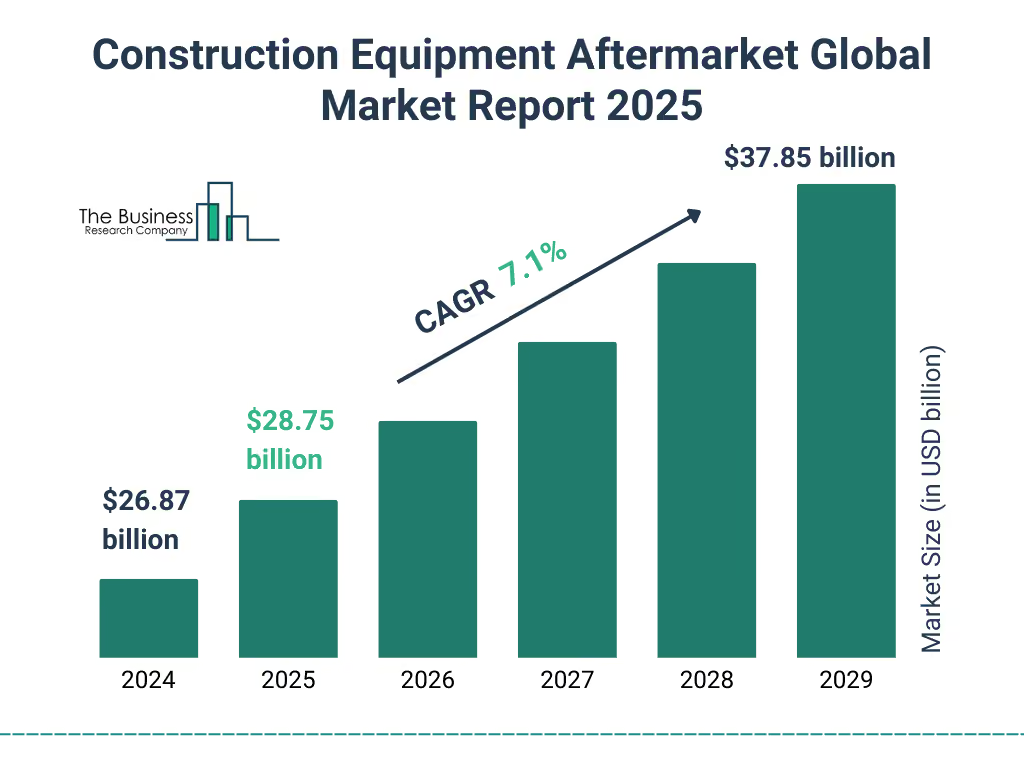
$37.85B
Projected construction equipment aftermarket size by 2029
25%
Average EBIT margin for aftermarket services
10%
Average EBIT margin for new equipment
Sources: The Business Research Company; McKinsey.
What Changes
What Is Fueling the Shift Toward Aftermarket
Aging fleets, sustainability, and new technology that requires specialized parts have helped the aftermarket outperform new machinery sales.
01
Sustainable Machinery
The global push toward net-zero emissions is accelerating demand for electric and hybrid equipment, and for the specialized parts that come with it.
02
Autonomous and Remote-Operated Equipment
Autonomous haul trucks, drilling systems, and AI-guided excavators reduce labor costs, address the talent gap, and improve safety in high-risk environments.
03
Circular Economy and Remanufacturing
With raw material costs soaring, remanufacturing engines, hydraulic systems, and other components extends equipment lifecycles and taps into cost-conscious markets.
04
AI and Data-Driven Services
The aftermarket is no longer a reactive support function. AI, market intelligence, and IoT are turning it into a proactive growth engine.
Where to Start
Turn Your Aftermarket Into a Consistent Revenue Stream
Aftermarket services offer more stable revenue and higher margins than new equipment, which helps manufacturers offset the cyclical nature of machinery sales. A strong aftermarket strategy also builds better customer relationships and improves retention.
The market is growing too, from $26.87 billion in 2024 to $28.75 billion in 2025. Unlocking your share of that growth starts with the right pricing strategy.
I find it very pleasant to work with MARKT-PILOT. It's always a positive surprise how reliably and quickly they deliver. As a customer, I can see that the team lives and breathes parts pricing. That is very impressive!
Andreas Rupp
Head of Life Cycle Service, Kardex Mlog

Free Resource
Price Intelligence in Machine Manufacturing
Principles, benefits and application scenarios. Discover why price intelligence is essential for establishing a revenue-focused pricing strategy.
Get the guide
See What MP ONE Finds in Your Portfolio
See where your prices are drifting, on your own parts data, in 30 minutes.